Why CBD for Muscle Relief Is Worth Adding to Your Recovery Routine
Understanding the Shift Toward Topical CBD
If you have spent any time around athletes, gym regulars, or people dealing with everyday aches, you have likely noticed the growing interest in cannabidiol. It is not just a passing trend. More people are reaching for a balm or a salve after a hard workout or a long day on their feet, and the results are encouraging enough to keep them coming back. The idea of using cbd for muscle relief has moved from fringe wellness circles into mainstream conversations, and the reasons are grounded in how the body actually responds to these compounds.
When I first tried a CBD-infused topical a few years ago, I was skeptical. I had tried menthol rubs and NSAID gels before, and they worked fine for surface-level discomfort. But after a particularly grueling week of hiking and carrying gear, a friend handed me a small jar of balm made with whole plant extract. The difference was subtle at first. The warmth in my shoulders faded more evenly, and the next morning I did not wake up with that familiar tightness in my lower back. That experience pushed me to learn more about how transdermal application of cannabidiol interacts with the endocannabinoid system. It turns out the science is both fascinating and practical.
How Cannabidiol Works in Topical Form
CBD, short for cannabidiol, is one of many compounds found in hemp. Unlike THC, it does not produce a psychoactive effect. What it does offer is a gentle interaction with the body's endocannabinoid system, which helps regulate pain, inflammation, and overall balance. When you apply a CBD-infused balm or salve directly to the skin, the compound is absorbed through the dermal layers and interacts with local cannabinoid receptors. This targeted approach can provide relief exactly where it is needed without affecting the rest of the body.
In my own experience, the key is consistency. A single application after a workout might take the edge off, but using a topical regularly seems to support recovery over time. I have recommended cbd for muscle relief to several friends who deal with chronic pain from old injuries, and the feedback has been consistent: it helps reduce the stiffness that settles in overnight and makes morning movement less of a chore. That might sound modest, but for someone managing daily discomfort, even small improvements in quality of life matter.
Why Topicals Beat Ingestibles for Muscle Work
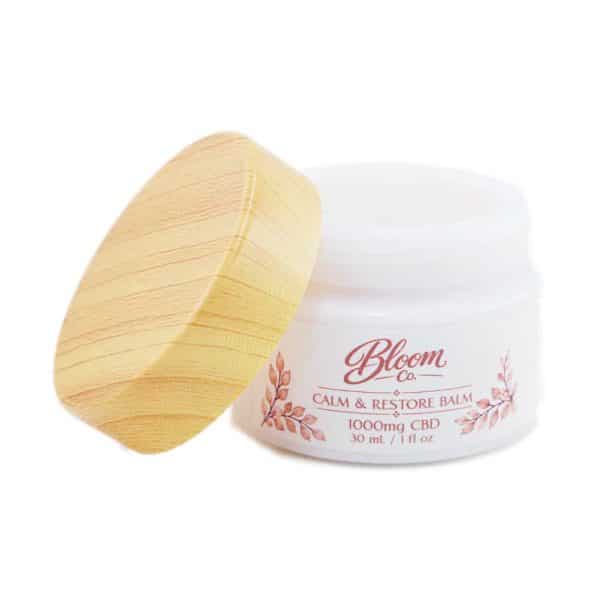
There is a reason many people prefer a balm or an ointment over oils or capsules when targeting muscle discomfort. The digestive system processes ingested CBD in ways that can reduce its potency, and the effects are spread throughout the body. With a topical, you can focus the treatment on a sore shoulder, a tight hamstring, or an aching knee. The transdermal route bypasses the liver and delivers the compound directly to the area that needs it. This makes a well-made salve or balm a smarter choice for localized issues.
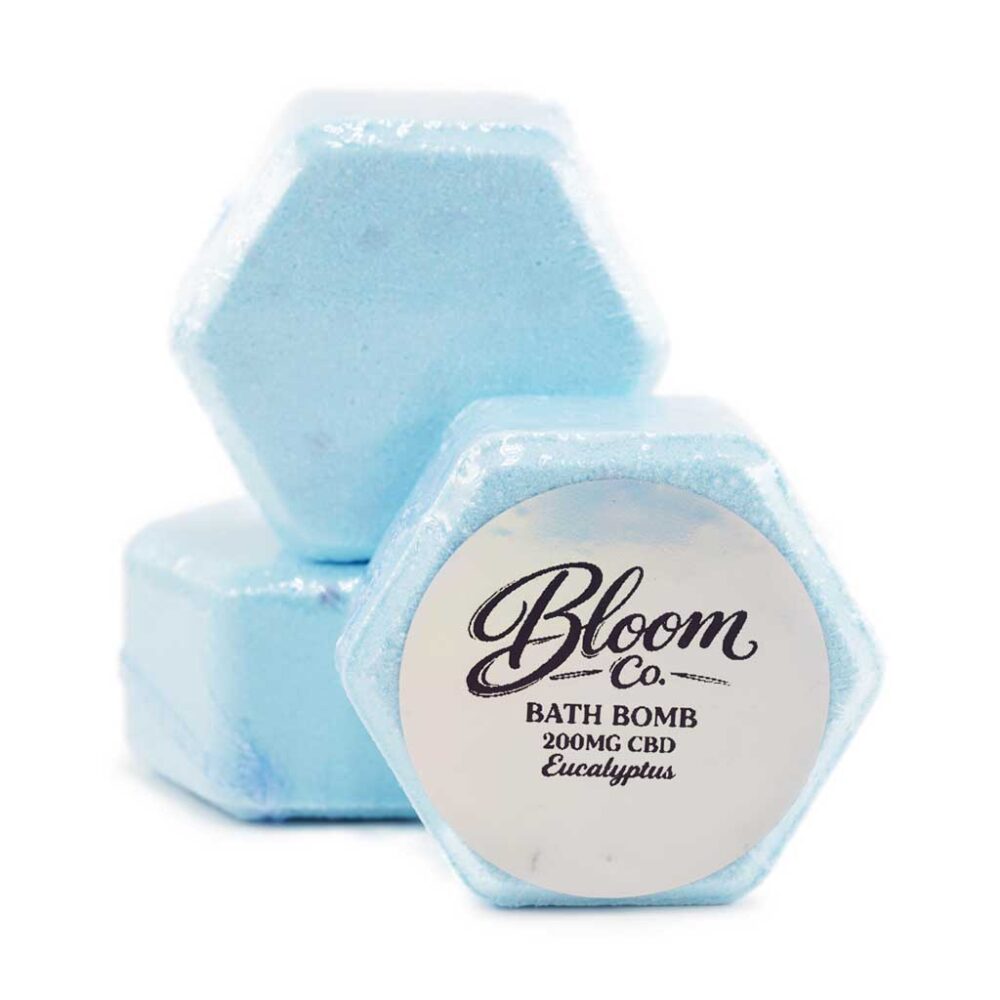
I have also found that the ritual of applying a balm adds something intangible to the recovery process. Taking a few minutes to massage a salve into tired muscles after a shower creates a small moment of self-care. It is not just about the CBD. The act itself encourages you to slow down and pay attention to your body. That mindfulness is a valuable part of any wellness routine. Some people pair their topical application with aromatherapy, choosing products that include lavender or eucalyptus for an added sensory benefit. A bath bomb infused with cannabidiol can serve a similar purpose after a long day, combining warmth, scent, and compound delivery into one relaxing experience.
What to Look For in a Quality Product
Not all CBD topicals are created equal. I have tried products that left a greasy residue with no noticeable effect, and others that were surprisingly effective. A few factors seem to separate the good from the mediocre.
- Whole plant extract: Products made from the full spectrum of hemp compounds tend to work better than isolates. The synergy between cannabinoids, terpenes, and other plant compounds enhances the overall effect.
- Small batch production: Smaller manufacturing runs often mean fresher ingredients and more attention to formulation. Mass-produced topicals can sit on shelves for months and lose potency.
- Third-party testing: A reputable brand will have lab results available. You want to know the CBD content matches what is on the label and that the product is free of contaminants.
- Carrier ingredients: The base matters. Beeswax, shea butter, coconut oil, and other natural carriers help the CBD absorb and also nourish the skin.
I remember buying a cheap ointment from a gas station once, hoping it would help with a pulled muscle in my back. It smelled synthetic and did nothing. That experience taught me to look for products made by companies that treat CBD as a serious ingredient, not a marketing gimmick. Sites like kushstation.co focus on exactly this kind of quality, offering balms and bath bombs that are carefully crafted and transparent about their sourcing.
Managing Expectations Around Relief
It is important to be realistic about what CBD can and cannot do. For acute, sharp pain that requires immediate medical attention, a topical is not a substitute for professional care. But for the kind of dull, persistent ache that comes from overuse, aging, or chronic conditions like arthritis, cannabidiol can be a genuinely helpful tool. The anti-inflammatory properties of CBD are well documented in studies, and many users report noticeable improvements in recovery time after exercise.
I have a friend who runs a small landscaping business. He spends his days lifting, bending, and carrying heavy materials. His shoulders and knees take a beating. He started using a CBD-infused balm after work and told me it helped him sleep better because the usual throbbing in his joints was less intense. That is not a cure, but it is real relief. For him, the combination of transdermal application and a few minutes of massage made a difference that painkillers had not provided without side effects.
Incorporating CBD Into a Broader Wellness Routine
Using cbd for muscle relief works best when it is part of a bigger picture. Proper hydration, gentle stretching, adequate sleep, and good nutrition all contribute to how your muscles feel and recover. A balm or a salve is not a magic bullet, but it can fill a gap that other methods leave open. I have found that applying a topical after a warm shower, when pores are open and blood flow is increased, gives the best results. Some people also enjoy using a bath bomb infused with CBD on rest days, letting the warm water and the compound work together to ease tension across the whole body.
Aromatherapy adds another layer. Scents like peppermint or rosemary can enhance the sensation of cooling and relaxation, making the experience more pleasant and potentially amplifying the perceived relief. While the science on scent and pain perception is still developing, many users report that combining smell with topical application feels more effective than using an unscented product. It is worth experimenting to find what works for you.
The Bottom Line on Topical CBD
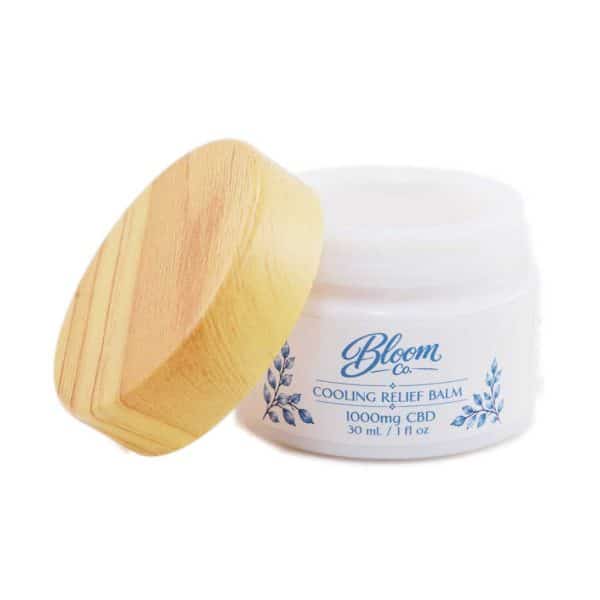
CBD has earned its place in the wellness space. For muscle relief, it offers a gentle, targeted option that fits naturally into a recovery routine. Whether you choose a balm for spot treatment or a bath bomb for whole-body relaxation, the key is consistency and quality. Look for products made with whole plant extract, produced in small batches, and backed by transparent testing. Avoid the cheap, mass-produced options that promise miracles and deliver nothing. A well-made topical from a trusted source can become a reliable part of how you manage everyday discomfort and support your body through the demands of an active life.